


Bvtechnogroup HO
Contact Seller
46
Active listings
0
Items sold
Pune, Maharashtra
Member since Jun 3, 2024

Email Marketing Consultancy (One Year) (Newsletters, Promotional Emails, Automated Drip Campaigns)
Availability: In Stock
$ 0.00
Email Marketing
BVTECH Email marketing involves sending targeted messages to a group of recipients via email. It is a powerful tool for nurturing relationships, promoting products or services, and driving customer engagement and retention.
Key Components of Email Marketing:
- Newsletters
- Promotional Emails
- Automated Drip Campaigns
Newsletters
Newsletters are regularly scheduled emails that provide subscribers with updates, news, and valuable content related to the business or industry.
Key Aspects of Newsletters:
- Content Variety: Including articles, blog posts, company news, industry insights, tips, and upcoming events.
- Frequency: Sending on a consistent schedule (weekly, bi-weekly, monthly) to keep subscribers engaged without overwhelming them.
- Design: Using a clean and visually appealing layout with images, headers, and clear sections.
- Personalization: Addressing subscribers by name and tailoring content based on their preferences or past interactions.
- Calls to Action (CTAs): Encouraging readers to take specific actions, such as reading more, signing up for events, or exploring products.
- Analytics: Tracking open rates, click-through rates (CTR), and engagement metrics to understand what content resonates best with the audience.
Promotional Emails
Promotional emails are targeted emails aimed at encouraging recipients to take immediate action, such as making a purchase, signing up for a service, or taking advantage of a special offer.
Key Aspects of Promotional Emails:
- Clear Objective: Focusing on a specific goal, such as a sale, new product launch, or limited-time offer.
- Compelling Subject Line: Crafting an attention-grabbing subject line to increase open rates.
- Engaging Content: Using persuasive and concise copy to highlight the benefits and urgency of the offer.
- Visual Appeal: Incorporating high-quality images and a clean design to attract attention and enhance the message.
- Strong CTAs: Including prominent and clear calls to action, such as "Buy Now," "Shop Today," or "Learn More."
- Personalization: Tailoring the message based on recipient behavior, preferences, or past purchases.
- Segmentation: Sending targeted emails to specific segments of the email list to increase relevance and effectiveness.
- Analytics: Measuring the success of the campaign through metrics like open rates, CTR, conversion rates, and revenue generated.
Automated Drip Campaigns
Automated drip campaigns are a series of pre-scheduled emails sent to subscribers based on specific triggers or actions they take, designed to nurture leads and guide them through the sales funnel.
Key Aspects of Automated Drip Campaigns:
- Trigger-Based: Sending emails based on user actions, such as signing up for a newsletter, downloading a resource, or abandoning a shopping cart.
- Nurturing Content: Providing valuable content at each stage of the customer journey, from awareness to consideration to decision.
- Email Sequence: Creating a logical flow of emails that gradually build trust and encourage engagement.
- Personalization: Customizing emails based on recipient behavior, preferences, and engagement history.
- Behavioral Targeting: Adjusting the sequence and content based on how recipients interact with previous emails.
- Timing: Scheduling emails at optimal intervals to keep recipients engaged without overwhelming them.
- Analytics: Monitoring the performance of each email in the sequence, such as open rates, CTR, and conversion rates, to optimize the campaign.
Conclusion
Email marketing through newsletters, promotional emails, and automated drip campaigns is an effective way to engage with your audience, nurture leads, and drive conversions. Newsletters provide regular, valuable content to keep subscribers informed and engaged. Promotional emails create urgency and encourage immediate action. Automated drip campaigns guide recipients through the customer journey with tailored content. By leveraging these strategies, businesses can build strong relationships with their audience and achieve their marketing objectives.
- New

Cybersecurity Enhancement Roadmap (One Year IT Consultancy)
Availability: In Stock
$ 0.00
Client Objective: Strengthen cybersecurity posture to protect against data breaches and cyber threats.
Technology Roadmap
Assessment Phase (Month 1-2)
- Security Audit: Conduct a thorough security audit of current IT infrastructure.
- Risk Assessment: Identify vulnerabilities and assess the risk of potential cyber threats.
- Compliance Review: Ensure compliance with relevant regulations (e.g., GDPR, HIPAA).
Planning Phase (Month 3-4)
- Security Strategy: Develop a comprehensive cybersecurity strategy to address identified risks and vulnerabilities.
- Technology Selection: Select appropriate security technologies (e.g., firewalls, intrusion detection systems, encryption tools).
- Policy Development: Update or create security policies and procedures.
Implementation Phase (Month 5-10)
- Security Solutions Deployment: Implement selected security technologies.
- Incident Response Plan: Develop and deploy an incident response plan.
- Access Controls: Strengthen access controls and implement multi-factor authentication (MFA).
Monitoring and Improvement Phase (Month 11-12)
- Continuous Monitoring: Implement continuous monitoring tools to detect and respond to threats in real-time.
- Employee Training: Conduct regular cybersecurity awareness training for all employees.
- Regular Audits: Perform regular security audits and vulnerability assessments to ensure ongoing protection.
- New

Cross-Platform Mobile App Development Consultancy (One Year) (React Native Development, Flutter Development, Xamarin Development)
Availability: In Stock
$ 0.00
BVTECH Cross-platform hybrid app development involves creating applications that work seamlessly on multiple mobile operating systems (iOS, Android) using a single codebase. This approach combines the benefits of native and web technologies, providing a cost-effective and efficient solution for reaching a broader audience while maintaining a high-quality user experience.
Key Features
Single Codebase
- Unified Development: Write once, run anywhere approach with a single codebase for multiple platforms.
- Cost Efficiency: Reduced development and maintenance costs due to shared code.
User Interface
- Responsive Design: Adaptive layouts that ensure a consistent user experience across different devices and screen sizes.
- Platform-Specific Adjustments: Ability to customize the UI to align with platform-specific design guidelines (iOS Human Interface Guidelines, Android Material Design).
- Web Technologies: Utilizes HTML5, CSS, and JavaScript for building the user interface.
Performance
- Near-Native Performance: Optimized performance through native bridges and plugins.
- Efficient Resource Usage: Reduced load times and smooth transitions.
Access to Native Features
- Native API Integration: Access to device hardware and software features like camera, GPS, accelerometer, and push notifications through plugins.
- Hybrid Plugins: Use of plugins to bridge the gap between web and native functionalities.
Offline Functionality
- Local Storage: Efficient local data storage for offline access.
- Data Synchronization: Automatic synchronization with the server when the device reconnects to the internet.
Security and Privacy
- Secure Data Handling: Encryption for data storage and transmission.
- User Authentication: Implementation of secure authentication mechanisms.
- Compliance: Adherence to data privacy regulations such as GDPR and CCPA.
Push Notifications
- Real-Time Updates: Instant notifications for important updates, messages, and events.
- Customizable Alerts: User preferences for notification types and frequency.
Integration with Third-Party Services
- APIs and SDKs: Easy integration with third-party APIs and SDKs.
- Social Media Integration: Integration with social media platforms for seamless user experience.
Technology Stack
Frameworks and Libraries:
- React Native: Leverages React for building mobile apps using JavaScript.
- Flutter: Google’s UI toolkit for building natively compiled applications using Dart.
Development Tools:
- Visual Studio Code: A versatile code editor.
- Android Studio/XCode: For platform-specific debugging and testing.
- Emulators and Simulators: For testing on various virtual devices.
Development Process
Requirement Analysis:
- Gather detailed requirements from stakeholders.
- Define use cases and user stories.
Design:
- Create wireframes and high-fidelity mock-ups.
- Design a user interface (UI) and user experience (UX) that works well across platforms.
Development:
- Set up the development environment.
- Develop the application using the chosen cross-platform framework.
- Integrate native plugins and third-party services.
Testing:
- Perform unit testing, integration testing, and system testing.
- Conduct platform-specific testing to ensure compatibility and performance.
Deployment:
- Prepare for deployment to app stores (Google Play, Apple App Store).
- Follow platform-specific guidelines and processes for app submission.
- Set up continuous integration/continuous deployment (CI/CD) pipelines.
Maintenance and Support:
- Provide ongoing maintenance and support.
- Release regular updates and new features.
- Monitor app performance and user feedback for continuous improvement.
Conclusion
BVTECH Cross-platform hybrid app development offers a practical and cost-effective solution for creating high-quality applications that run seamlessly on both iOS and Android. By leveraging a single codebase and modern frameworks, this approach ensures efficient development, reduced time to market, and a consistent user experience across platforms.
NOTE: Pricings And Quotations are subject to fit your specific project and business requirements.
- New

SEO (Search Engine Optimization) (On-page SEO, Keyword Research, Link Building)
Availability: In Stock
$ 0.00
BVTECH Search Engine Optimization (SEO) is the practice of optimizing a website to rank higher in search engine results pages (SERPs) and increase organic traffic. SEO involves a variety of strategies and techniques, including on-page SEO, keyword research, and link building.
Key Components of SEO:
- On-Page SEO
- Keyword Research
- Link Building
On-Page SEO
On-page SEO refers to the optimization of individual web pages to improve their rankings and attract more relevant traffic from search engines. This includes optimizing both the content and HTML source code of a page.
Key Aspects of On-Page SEO:
- Title Tags: Crafting descriptive and keyword-rich title tags that accurately reflect the content of the page and entice users to click.
- Meta Descriptions: Writing compelling meta descriptions that summarize the page content and include relevant keywords, encouraging higher click-through rates.
- Header Tags (H1, H2, H3): Using header tags to structure content hierarchically, making it easier for search engines and users to understand the content.
- Keyword Optimization: Strategically incorporating keywords into content, titles, headers, and meta descriptions to signal relevance to search engines.
- Content Quality: Creating high-quality, informative, and engaging content that provides value to users and encourages longer visits.
- Internal Linking: Linking to other relevant pages within the website to help search engines understand the site structure and improve user navigation.
- Image Optimization: Using descriptive file names, alt text, and compressed images to enhance page load speed and improve accessibility.
- URL Structure: Creating clean, descriptive, and keyword-friendly URLs that are easy for search engines and users to understand.
- Mobile-Friendliness: Ensuring the website is responsive and provides a good user experience on all devices, as mobile-friendliness is a key ranking factor.
- Page Speed: Optimizing page load times through techniques such as image compression, browser caching, and minimizing code to improve user experience and search rankings.
Keyword Research
Keyword research involves identifying the search terms that users enter into search engines to find information related to your business, products, or services. Effective keyword research helps to target the right audience and improve search engine rankings.
Key Aspects of Keyword Research:
- Identifying Seed Keywords: Starting with broad, primary keywords related to your business and industry.
- Using Keyword Tools: Utilizing keyword research tools (e.g., Google Keyword Planner, Ahrefs, SEMrush) to discover related keywords, search volumes, and competition levels.
- Long-Tail Keywords: Focusing on long-tail keywords (more specific phrases) that often have lower competition and higher conversion rates.
- Analyzing Competitors: Researching the keywords that competitors are targeting to identify opportunities and gaps in your own strategy.
- Search Intent: Understanding the intent behind the keywords (informational, navigational, transactional) to create content that meets user needs.
- Keyword Grouping: Organizing keywords into clusters based on themes or topics to streamline content creation and optimization efforts.
- Trend Analysis: Monitoring keyword trends and seasonal variations to capitalize on timely search opportunities.
- Updating Keywords: Regularly revisiting and updating keyword lists based on performance data and changes in user behavior.
Link Building
Link building is the process of acquiring hyperlinks from other websites to your own. Search engines view backlinks as votes of confidence, and high-quality backlinks can significantly improve a site’s authority and rankings.
Key Aspects of Link Building:
- Quality over Quantity: Focusing on acquiring backlinks from authoritative, relevant, and high-quality websites rather than simply accumulating a large number of links.
- Content Creation: Producing valuable and shareable content (e.g., blog posts, infographics, research) that naturally attracts backlinks.
- Guest Blogging: Writing guest posts for reputable websites in your industry, including a link back to your site within the content.
- Outreach: Reaching out to industry influencers, bloggers, and webmasters to request backlinks, promote content, or collaborate on projects.
- Broken Link Building: Identifying broken links on other websites and suggesting your content as a replacement, providing value to both the site owner and your own SEO efforts.
- Social Media Promotion: Sharing content on social media platforms to increase visibility and attract potential backlinks.
- Directory Submissions: Submitting your website to relevant online directories and industry-specific listing sites.
- Competitor Analysis: Analyzing competitors' backlink profiles to identify potential link opportunities and strategies.
Conclusion
BVTECH SEO through on-page optimization, keyword research, and link building is essential for improving search engine rankings and driving organic traffic. On-page SEO focuses on optimizing individual web pages for better visibility. Keyword research ensures targeting the right search terms to attract the desired audience. Link building enhances site authority and credibility through high-quality backlinks. By implementing these SEO strategies effectively, businesses can achieve higher search rankings, increased website traffic, and improved online visibility.
- New

Influencer Marketing Consultancy (One Year) (Sponsored Posts, Product Reviews, Brand Ambassadorships)
Availability: In Stock
$ 0.00
BVTECH Influencer marketing involves collaborating with individuals who have a significant following on social media platforms to promote products, services, or brands. Influencers can help increase brand awareness, reach new audiences, and drive engagement and sales.
Key Components of Influencer Marketing:
- Sponsored Posts
- Product Reviews
- Brand Ambassadorships
Sponsored Posts
Sponsored posts are paid collaborations where influencers create and share content featuring a brand’s product or service. The content is typically shared on the influencer’s social media channels, blog, or other platforms where they have an established audience.
Key Aspects of Sponsored Posts:
- Clear Objectives: Defining the goals of the campaign, such as increasing brand awareness, driving traffic, or boosting sales.
- Influencer Selection: Choosing influencers whose audience aligns with the brand’s target market and who have high engagement rates.
- Creative Freedom: Allowing influencers to create content in their unique style while ensuring the brand’s key messages are included.
- Disclosure: Ensuring compliance with regulations by having influencers disclose the sponsorship clearly.
- Engaging Content: Creating visually appealing and engaging posts that resonate with the influencer’s audience.
- Calls to Action (CTAs): Encouraging followers to take specific actions, such as visiting a website, using a discount code, or participating in a contest.
- Performance Tracking: Monitoring metrics such as likes, comments, shares, and click-through rates to evaluate the success of the sponsored post.
Product Reviews
Product reviews involve sending products to influencers for them to use and review. The influencer shares their honest opinions and experiences with their audience, which can build trust and credibility for the brand.
Key Aspects of Product Reviews:
- Authenticity: Selecting influencers who will provide genuine and honest reviews, as authenticity is crucial for building trust with their audience.
- Relevant Influencers: Choosing influencers whose niche and audience are relevant to the product being reviewed.
- Comprehensive Briefing: Providing influencers with detailed information about the product, its features, and benefits to help them create informed reviews.
- Content Guidelines: Offering guidelines on key points to cover while allowing the influencer’s voice and style to come through.
- Disclosure: Ensuring influencers clearly disclose that they received the product for free or were compensated for the review.
- Feedback and Adjustments: Being open to feedback from influencers and making any necessary adjustments based on their input.
- Performance Metrics: Tracking engagement metrics, such as views, likes, comments, and sales conversions, resulting from the review.
Brand Ambassadorships
Brand ambassadorships are long-term partnerships between a brand and an influencer. Ambassadors regularly promote the brand over an extended period, becoming the face of the brand and helping to build a deeper connection with the audience.
Key Aspects of Brand Ambassadorships:
- Long-Term Commitment: Establishing a sustained relationship with the influencer to create consistent and ongoing promotion.
- Mutual Alignment: Ensuring the brand and the ambassador share similar values and goals for a genuine and cohesive partnership.
- Exclusive Agreements: Often, brand ambassadors agree to promote only one brand within a specific category, increasing the exclusivity and impact of the partnership.
- Comprehensive Role: Involving ambassadors in various marketing activities, such as events, product launches, social media campaigns, and more.
- Content Collaboration: Working closely with ambassadors to co-create content that aligns with both the brand’s and the influencer’s styles.
- Engagement and Interaction: Encouraging ambassadors to interact with their audience about the brand, answer questions, and engage in conversations.
- Performance Monitoring: Regularly reviewing the impact of the ambassadorship through metrics like audience growth, engagement rates, and sales figures.
Conclusion
BVTECH Influencer marketing through sponsored posts, product reviews, and brand ambassadorships offers diverse and effective ways to reach and engage audiences. Sponsored posts provide immediate visibility and engagement. Product reviews build credibility and trust through authentic feedback. Brand ambassadorships create long-term, consistent promotion, and deepen the relationship between the brand and the audience. By strategically utilizing these components, businesses can enhance their influencer marketing efforts and achieve their marketing objectives.
- New
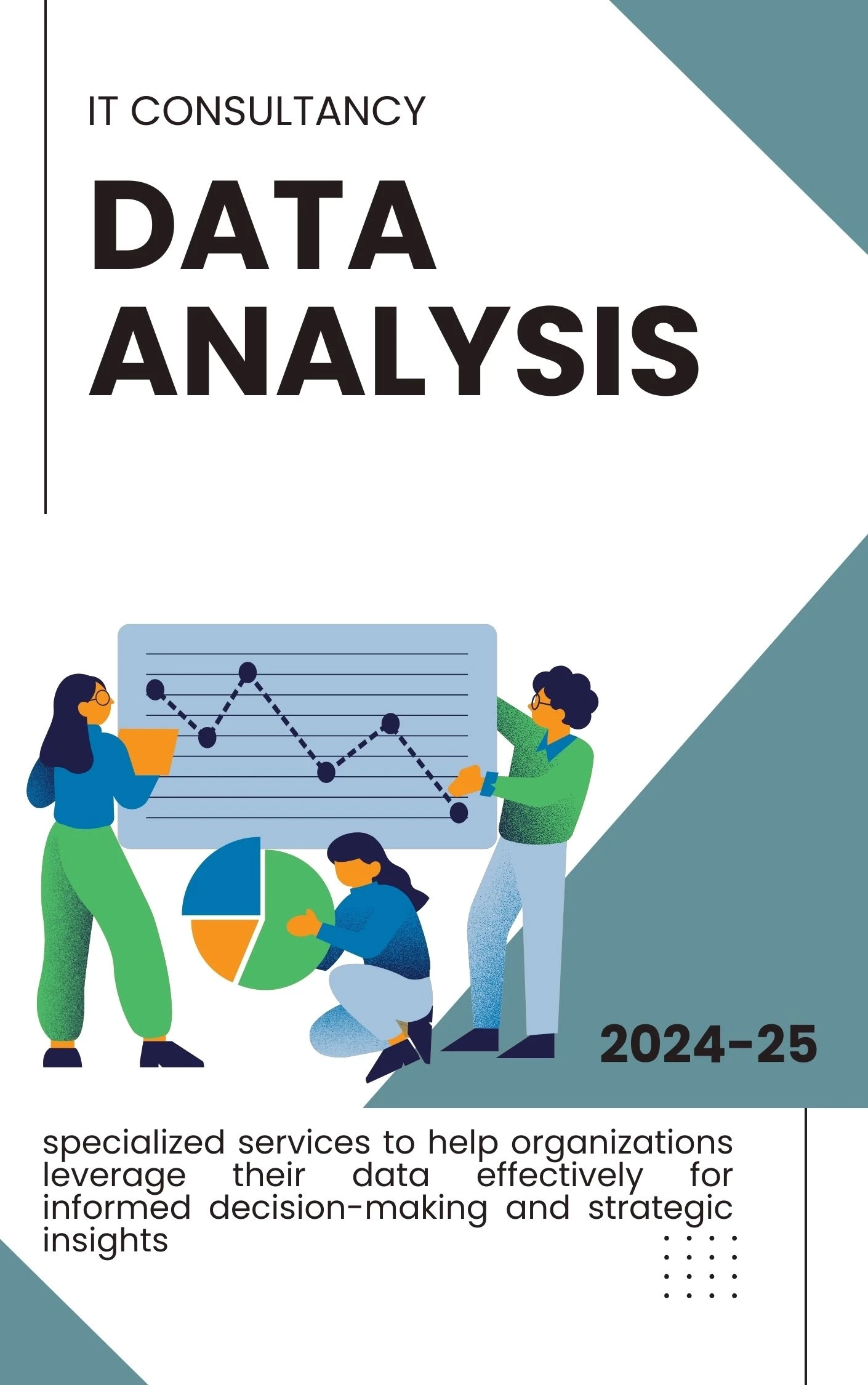
Data Analytics and Business Intelligence (BI) IT Consultancy (One Year)
Availability: In Stock
$ 0.00
Discovery and Assessment:
- Conducting initial consultations to understand the client’s business objectives, data landscape, and analytics requirements.
- Performing data assessments to evaluate the quality, completeness, and accessibility of existing data assets.
Solution Design:
- Collaborating with stakeholders to design customized data analytics and BI solutions that address specific business challenges and opportunities.
- Developing detailed project plans, including timelines, resources, and deliverables.
Implementation and Support:
- Managing the implementation of data analytics and BI solutions, ensuring they are deployed effectively and aligned with business goals.
- Providing ongoing support and maintenance to address issues, optimize performance, and ensure user satisfaction.
Continuous Improvement:
- Regularly reviewing and refining data analytics strategies and solutions based on feedback, emerging technologies, and evolving business needs.
- Staying updated with industry trends and best practices to offer innovative solutions and recommendations.
Example Engagements
Customer Analytics for a Retail Chain:
- Challenge: A retail chain wanted to better understand customer behavior and preferences to improve marketing and sales strategies.
- Solution: Implemented customer analytics solutions to analyze transaction data, segment customers, and personalize marketing campaigns.
- Outcome: Increased customer engagement, improved targeting, and higher sales conversion rates.
Supply Chain Optimization for a Manufacturing Company:
- Challenge: A manufacturing company aimed to optimize its supply chain operations and reduce costs.
- Solution: Implemented supply chain analytics solutions to forecast demand, optimize inventory levels, and improve supplier performance.
- Outcome: Reduced inventory holding costs, minimized stock outs, and improved supply chain efficiency.
Financial Fraud Detection for a Banking Institution:
- Challenge: A banking institution needed to detect and prevent financial fraud and money laundering activities.
- Solution: Developed advanced analytics models to identify suspicious transactions, patterns, and anomalies.
- Outcome: Reduced fraud losses, improved regulatory compliance, and enhanced customer trust.
Healthcare Analytics for a Hospital Network:
- Challenge: A hospital network sought to improve patient outcomes and operational efficiency through data-driven insights.
- Solution: Implemented healthcare analytics solutions to analyze patient data, optimize resource allocation, and identify areas for improvement.
- Outcome: Reduced readmission rates, improved treatment protocols, and enhanced operational performance.
Conclusion
BVTECH Data Analytics and Business Intelligence (BI) IT Consultancy is essential for organizations seeking to unlock the value of their data and drive informed decision-making. By offering strategic planning, data integration, analytics, BI implementation, governance, decision support, training, and support services, consultants help businesses leverage data as a strategic asset to gain competitive advantage, optimize operations, and achieve business goals. This ensures that organizations can thrive in today's data-driven business environment and adapt to evolving market dynamics effectively.
- New

E-commerce Company IT Strategy (One Year IT Consultancy)
Availability: In Stock
$ 0.00
Business Objective: Increase market share and improve customer experience.
Understand Business Objectives
- Goal: Expand market presence by 20% within the next two years.
- Objective: Enhance website performance, implement advanced analytics, and personalize customer interactions.
Assess the Current IT Environment
- Infrastructure Audit: Review website hosting, server capacity, and application performance.
- Capability Analysis: Evaluate the IT team’s skills in web development, cybersecurity, and data analytics.
- SWOT Analysis: Strengths (robust customer database), Weaknesses (slow website load times), Opportunities (emerging markets), Threats (cybersecurity threats).
Identify Key IT Initiatives
- Website Optimization: Implement a content delivery network (CDN) and optimize website code to improve load times.
- Advanced Analytics: Deploy analytics tools like Google Analytics and Tableau for better customer insights.
- Personalization: Use machine learning algorithms to recommend products based on customer behaviour.
Develop an Implementation Roadmap
- Short-Term Goals: Improve website load times within six months.
- Long-Term Projects: Develop and integrate a recommendation engine within 18 months.
- Milestones and Timelines: Monthly progress reviews and quarterly performance assessments.
Budgeting and Resource Allocation
- Financial Planning: Allocate $xyz for website optimization and analytics tools.
- Resource Allocation: Hire additional data scientists and web developer.
Governance and Risk Management
- IT Governance Framework: Establish a project management office (PMO) to oversee IT initiatives.
- Risk Management: Develop a cybersecurity plan and conduct regular penetration testing.
Performance Measurement
- KPIs and Metrics: Website load time (goal: under 2 seconds), increase in conversion rate (goal: 10% improvement).
- Continuous Improvement: Quarterly reviews to refine personalization algorithms.
Communication and Training
- Stakeholder Communication: Monthly newsletters and quarterly meetings with key stakeholders.
- Training Programs: Conduct training sessions on new analytics tools and cybersecurity best practices.
Technology Selection and Procurement
- Vendor Evaluation: Evaluate CDN providers (e.g., Cloud flare, Akamai) and analytics tools.
- Procurement Processes: Follow a structured RFP process for vendor selection.
Execution and Monitoring
- Project Management: Use Agile methodologies to manage the implementation of the recommendation engine.
- Monitoring and Reporting: Weekly sprints and monthly progress reports
- New

Natural Language Processing (NLP) for Marathi Language (One Year Consultancy)
Availability: In Stock
$ 0.00
BV NLP AI that helps apps and software process natural language text. NLP techniques can perform tasks like part-of-speech tagging, parsing.
- New
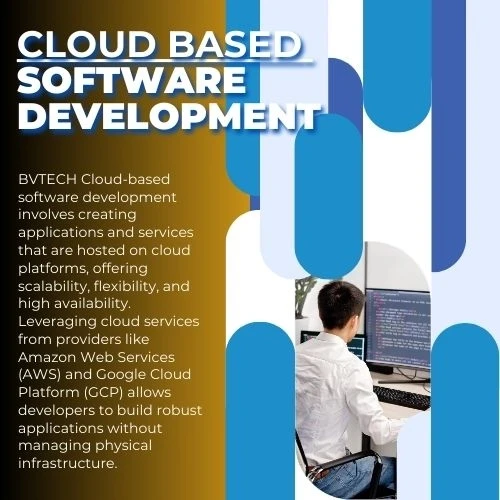
Cloud Based Software Consultancy (One Year) (AWS Services, Google Cloud services)
Availability: In Stock
$ 0.00
BVTECH Cloud-based software development involves creating applications and services that are hosted on cloud platforms, offering scalability, flexibility, and high availability. Leveraging cloud services from providers like Amazon Web Services (AWS) and Google Cloud Platform (GCP) allows developers to build robust applications without managing physical infrastructure.
Amazon Web Services (AWS)
Core Services:
- Compute:
- EC2 (Elastic Compute Cloud): Scalable virtual servers.
- Lambda: Serverless computing for running code without provisioning servers.
- ECS (Elastic Container Service): Container orchestration for Docker containers.
- Storage:
- S3 (Simple Storage Service): Scalable object storage.
- EBS (Elastic Block Store): Persistent block storage for EC2 instances.
- Glacier: Low-cost archival storage.
- Databases:
- RDS (Relational Database Service): Managed relational databases (MySQL, PostgreSQL, SQL Server).
- DynamoDB: NoSQL database.
- Aurora: High-performance managed relational database.
- Networking:
- VPC (Virtual Private Cloud): Isolated networks for resources.
- Route 53: Scalable DNS and domain registration.
- CloudFront: Content delivery network (CDN).
- Security:
- IAM (Identity and Access Management): User and permissions management.
- KMS (Key Management Service): Managed encryption keys.
- Cognito: User authentication and access control.
- Compute:
Development Tools:
- AWS SDKs: Available for various programming languages (Java, Python, .NET, etc.).
- AWS CLI: Command-line interface for managing AWS services.
- CloudFormation: Infrastructure as Code (IaC) for defining AWS resources.
- CodePipeline: Continuous integration and delivery (CI/CD) service.
Key Features:
- Scalability: Automatic scaling of resources to handle varying loads.
- High Availability: Redundant infrastructure across multiple regions and availability zones.
- Security: Comprehensive security measures including encryption, IAM, and compliance certifications.
- Cost-Effectiveness: Pay-as-you-go pricing model.
Common Use Cases:
- Web and mobile application hosting.
- Data storage and backup solutions.
- Big data processing and analytics.
- Machine learning and AI model training.
Google Cloud Platform (GCP)
Core Services:
- Compute:
- Compute Engine: Scalable virtual machines.
- App Engine: Platform-as-a-Service (PaaS) for building scalable web apps.
- Cloud Functions: Serverless computing.
- Kubernetes Engine: Managed Kubernetes for container orchestration.
- Storage:
- Cloud Storage: Scalable object storage.
- Persistent Disks: Block storage for virtual machines.
- Cloud Filestore: Managed file storage.
- Databases:
- Cloud SQL: Managed relational databases (MySQL, PostgreSQL).
- Cloud Spanner: Globally distributed relational database.
- Firestore: NoSQL document database.
- Networking:
- VPC (Virtual Private Cloud): Configurable private network.
- Cloud Load Balancing: Global load balancing.
- Cloud CDN: Content delivery network.
- Security:
- IAM (Identity and Access Management): User and permissions management.
- Cloud KMS: Managed encryption keys.
- Security Command Center: Security and risk management.
- Compute:
Development Tools:
- GCP SDKs: Available for various programming languages (Python, Java, Go, etc.).
- gcloud CLI: Command-line interface for managing GCP services.
- Deployment Manager: Infrastructure as Code (IaC) tool for GCP.
- Cloud Build: Continuous integration and delivery (CI/CD) service.
Key Features:
- Scalability: Elastic scaling of resources to handle traffic spikes.
- High Availability: Multi-regional infrastructure with redundancy.
- Security: Robust security features including encryption, IAM, and compliance.
- Cost Management: Tools for monitoring and optimizing cloud spend.
Common Use Cases:
- Hosting dynamic websites and applications.
- Big data processing with tools like BigQuery.
- Machine learning with TensorFlow on AI Platform.
- Cloud-native application development with Kubernetes.
Development Process
Requirement Analysis:
- Gather requirements and define use cases and technical specifications.
- Choose the appropriate cloud services based on application needs.
Design:
- Design the application architecture with scalability, reliability, and security in mind.
- Create infrastructure diagrams and flowcharts.
Development:
- Set up the development environment.
- Write code and integrate with cloud services using SDKs and APIs.
- Implement continuous integration and continuous deployment (CI/CD) pipelines.
Testing:
- Conduct unit, integration, and system testing.
- Perform load and stress testing to ensure scalability and reliability.
Deployment:
- Deploy the application to the chosen cloud platform.
- Monitor application performance and resource usage.
Maintenance and Support:
- Provide ongoing maintenance and updates.
- Monitor and manage application performance and security.
- Scale resources based on demand.
Conclusion
BVTECH Cloud-based software development using AWS and Google Cloud services enables the creation of scalable, reliable, and secure applications. By leveraging the extensive range of services and tools provided by these platforms, developers can build robust solutions that meet the dynamic needs of modern users and businesses.
- New

ERP (Enterprise Resource Planning) IT Consultancy (One year)
Availability: In Stock
$ 0.00
Discovery and Assessment:
- Conducting initial consultations to understand the client’s business environment, challenges, and goals.
- Performing comprehensive assessments to identify ERP requirements and potential areas for improvement.
Solution Design:
- Collaborating with stakeholders to design tailored ERP solutions that address specific needs and objectives.
- Creating detailed project plans, including timelines, resources, and deliverables.
Implementation and Support:
- Managing the implementation of ERP solutions, ensuring they are deployed effectively and efficiently.
- Providing ongoing support and maintenance to ensure the long-term success and optimization of the ERP system.
Continuous Improvement:
- Regularly reviewing and refining ERP strategies and solutions based on feedback and evolving business needs.
- Staying updated with industry trends and emerging technologies to offer cutting-edge advice and services.
Example Engagements
ERP Implementation for a Manufacturing Company:
- Challenge: A manufacturing company needed to implement an ERP system to streamline operations and improve data accuracy.
- Solution: Conducted a needs assessment, selected an appropriate ERP solution, and managed the end-to-end implementation.
- Outcome: Enhanced operational efficiency, improved inventory management, and increased data accuracy.
ERP Upgrade for a Retail Chain:
- Challenge: A retail chain required an upgrade to their outdated ERP system to support growth and new business processes.
- Solution: Planned and executed the ERP upgrade, including data migration and system integration with existing applications.
- Outcome: Improved system performance, better support for new business processes, and enhanced reporting capabilities.
Business Process Optimization for a Financial Services Firm:
- Challenge: A financial services firm needed to optimize business processes to improve efficiency and compliance.
- Solution: Analyzed and reengineered business processes, customized the ERP system to support new workflows, and provided training.
- Outcome: Streamlined operations, reduced manual tasks, and ensured regulatory compliance.
Customized ERP Solution for a Healthcare Provider:
- Challenge: A healthcare provider required a customized ERP solution to manage patient records and operational processes.
- Solution: Developed and implemented a tailored ERP system with specific modules for healthcare management and patient data security.
- Outcome: Improved patient data management, enhanced operational efficiency, and ensured compliance with healthcare regulations.
Conclusion
BVTECH ERP IT Consultancy is essential for organizations seeking to implement, optimize, or upgrade their ERP systems. By offering strategic planning, implementation, business process reengineering, customization, training, support, optimization, and compliance services, consultants help businesses achieve seamless ERP integration and improved operational efficiency. This ensures that organizations can leverage their ERP systems to support strategic goals, enhance data accuracy, and drive long-term success.
- New

Cloud IT Consultancy (One Year)
Availability: In Stock
$ 0.00
Client Engagement Approach
Discovery and Assessment:
- Conducting initial consultations to understand the client’s business goals, challenges, and existing IT landscape.
- Performing comprehensive assessments to identify opportunities for cloud adoption and areas for improvement.
Solution Design:
- Collaborating with stakeholders to design tailored cloud solutions that address specific needs and objectives.
- Creating detailed project plans, including timelines, resources, and deliverables.
Implementation and Support:
- Managing the implementation of cloud solutions, ensuring they are delivered on time and within budget.
- Providing ongoing support and maintenance to ensure the long-term success and optimization of cloud environments.
Continuous Improvement:
- Regularly reviewing and refining cloud strategies and solutions based on feedback and evolving business needs.
- Staying updated with industry trends and emerging technologies to offer cutting-edge advice and services.
Example Engagements
Cloud Migration for a Financial Services Firm:
- Challenge: A financial services firm with on-premises infrastructure facing scalability and cost issues.
- Solution: Developed a cloud migration strategy, executed a phased migration to AWS, and ensured compliance with financial regulations.
- Outcome: Enhanced scalability, reduced infrastructure costs by 30%, and improved regulatory compliance.
Multi-Cloud Strategy for a Global Retailer:
- Challenge: A global retailer needing a resilient and flexible cloud environment to support international operations.
- Solution: Designed and implemented a multi-cloud strategy leveraging AWS and Azure to ensure high availability and risk mitigation.
- Outcome: Improved operational flexibility, increased system resilience, and reduced vendor lock-in risks.
DevOps Transformation for a Tech Startup:
- Challenge: A tech startup struggling with slow development cycles and frequent deployment issues.
- Solution: Implemented a DevOps framework, set up CI/CD pipelines, and introduced containerization with Kubernetes.
- Outcome: Accelerated development cycles, improved deployment reliability, and enhanced team collaboration.
Cloud-Native Application Development for a Healthcare Provider:
- Challenge: A healthcare provider needing to develop a scalable telemedicine platform.
- Solution: Designed a microservices architecture, utilized serverless computing, and ensured compliance with HIPAA.
- Outcome: Developed a scalable and secure telemedicine platform, improved patient care delivery, and ensured regulatory compliance.
Conclusion
BVTECH Cloud IT Consultancy is essential for organizations seeking to leverage cloud technologies to enhance efficiency, scalability, and innovation. By offering strategic planning, architecture design, migration, security, management, and development services, consultants help businesses maximize the benefits of cloud computing while minimizing risks and costs. This ensures that organizations can stay competitive and agile in a rapidly evolving digital landscape.
- New
Business Continuity and Disaster Recovery (BC/DR) IT Consultancy (One Year)
Availability: In Stock
$ 0.00
Discovery and Assessment:
- Conducting initial consultations to understand the client’s business environment, critical functions, and specific risks.
- Performing comprehensive assessments to identify vulnerabilities and potential impacts.
Solution Design:
- Collaborating with stakeholders to design tailored BC/DR solutions that address specific needs and objectives.
- Creating detailed project plans, including timelines, resources, and deliverables.
Implementation and Support:
- Managing the implementation of BC/DR solutions, ensuring they are deployed effectively and efficiently.
- Providing ongoing support and maintenance to ensure the long-term success and optimization of BC/DR plans.
Continuous Improvement:
- Regularly reviewing and refining BC/DR strategies and solutions based on feedback and evolving business needs.
- Staying updated with industry trends and emerging technologies to offer cutting-edge advice and services.
Example Engagements
BC/DR Plan for a Financial Institution:
- Challenge: A financial institution needing to ensure continuity of critical banking operations and compliance with regulatory requirements.
- Solution: Developed and implemented a comprehensive BC/DR plan, including data backup solutions, communication protocols, and regular testing.
- Outcome: Enhanced resilience, minimized downtime, and ensured regulatory compliance.
Disaster Recovery Solution for a Healthcare Provider:
- Challenge: A healthcare provider facing the risk of data loss and operational disruption due to potential IT system failures.
- Solution: Implemented a robust disaster recovery solution, including cloud-based backups and rapid recovery protocols.
- Outcome: Protected patient data, ensured continuity of care, and improved recovery times.
Business Continuity Planning for a Manufacturing Company:
- Challenge: A manufacturing company needing to maintain production and supply chain operations during a disaster.
- Solution: Developed business continuity plans, conducted risk assessments, and implemented resource allocation strategies.
- Outcome: Maintained production continuity, minimized supply chain disruptions, and protected revenue streams.
Testing and Training for a Government Agency:
- Challenge: A government agency requiring validation of existing BC/DR plans and training for employees.
- Solution: Conducted plan testing, tabletop exercises, and comprehensive training programs for staff.
- Outcome: Validated and improved BC/DR plans, enhanced employee readiness, and ensured effective crisis response.
Conclusion
BVTECH Business Continuity and Disaster Recovery (BC/DR) IT Consultancy is vital for organizations seeking to protect their operations, data, and reputation in the face of disruptions. By offering risk assessments, strategy development, plan design, technology implementation, testing, training, and ongoing support, consultants help businesses ensure resilience and rapid recovery from any disaster. This ensures that organizations can continue to operate smoothly, maintain customer trust, and achieve long-term success.
- New

Back-End Development Consultancy (One Year) (Web Server Development, Database Development, API Development, Microservices Development, Cloud Development, Enterprise Software Development, Real-time Systems Development, Authentication and Authorization Development, Middleware Dev
Availability: In Stock
$ 0.00
1. E-commerce Platform
- Example: Amazon
- Description: Amazon’s back-end system handles millions of transactions daily, managing inventory, processing payments, and handling customer data securely.
- Key Components:
- Server-Side Logic: Processes orders, calculates taxes and shipping costs, manages user sessions.
- Database Management: Stores product listings, user information, order history, and reviews.
- APIs: Integrates with payment gateways, shipping services, and third-party sellers.
- Security: Implements encryption for sensitive data, secure user authentication, and fraud detection mechanisms.
- Scalability: Uses microservices architecture to handle large volumes of traffic and transactions, enabling the platform to scale efficiently.
2. Social Networking Site
- Example: Facebook
- Description: Facebook’s back-end manages data for billions of users, facilitating real-time interactions, storing vast amounts of user-generated content, and ensuring data privacy.
- Key Components:
- Server-Side Logic: Handles user interactions, news feed algorithms, and content moderation.
- Database Management: Manages user profiles, posts, messages, and media files using distributed databases.
- APIs: Provides endpoints for mobile apps, third-party integrations, and internal services.
- Security: Implements advanced security measures including two-factor authentication, encryption, and regular security audits.
- Performance Optimization: Utilizes caching, load balancing, and efficient data querying to provide a seamless user experience.
3. Content Management System (CMS)
- Example: WordPress
- Description: WordPress powers millions of websites by offering a flexible and user-friendly platform for content creation and management.
- Key Components:
- Server-Side Logic: Manages content creation, editing, and publishing workflows.
- Database Management: Uses MySQL to store posts, pages, user data, and plugin settings.
- APIs: Allows developers to extend functionality through REST API and plugin APIs.
- Security: Regularly updates core software to patch vulnerabilities and offers plugins for additional security measures.
- Scalability: Supports a wide range of websites, from small blogs to large enterprise sites, through modular design and plugin architecture.
4. Online Learning Platform
- Example: Coursera
- Description: Coursera’s back-end supports course creation, user enrollment, progress tracking, and certification issuance.
- Key Components:
- Server-Side Logic: Manages course content delivery, user progress tracking, and quiz evaluations.
- Database Management: Stores course materials, user data, progress records, and certificates.
- APIs: Integrates with external services for video streaming, payment processing, and learning management systems (LMS).
- Security: Protects user data and course content with secure authentication and encryption.
- Performance Optimization: Uses content delivery networks (CDNs) to ensure fast and reliable access to course materials globally.
5. Financial Services App
- Example: Mint
- Description: Mint’s back-end aggregates financial data from various accounts, providing users with comprehensive financial management tools.
- Key Components:
- Server-Side Logic: Aggregates and categorizes transactions, calculates budgets, and generates financial insights.
- Database Management: Manages user financial data, transaction history, and budget settings securely.
- APIs: Connects to banks, credit card companies, and other financial institutions to pull in transaction data.
- Security: Implements robust encryption, secure data storage, and compliance with financial regulations.
- Scalability: Ensures the platform can handle an increasing number of users and financial transactions efficiently.
6. Healthcare Management System
- Example: MyChart
- Description: MyChart’s back-end supports patient records management, appointment scheduling, and secure communication between patients and healthcare providers.
- Key Components:
- Server-Side Logic: Manages patient data, appointment bookings, and communication channels.
- Database Management: Stores electronic health records (EHRs), appointment schedules, and medication details.
- APIs: Integrates with hospital information systems (HIS), lab systems, and pharmacy services.
- Security: Ensures compliance with healthcare regulations (e.g., HIPAA) through data encryption and secure access controls.
- Performance Optimization: Utilizes load balancing and efficient data retrieval techniques to handle high volumes of patient data and interactions.
7. Ride-Sharing Service
- Example: Uber
- Description: Uber’s back-end coordinates drivers and riders in real-time, processes payments, and provides accurate route planning.
- Key Components:
- Server-Side Logic: Matches drivers with riders, calculates fares, and tracks ride progress.
- Database Management: Manages user profiles, trip histories, and payment details.
- APIs: Integrates with mapping services, payment gateways, and third-party services.
- Security: Protects user data with encryption and secure authentication methods.
- Scalability: Supports high demand and peak usage times through microservices and distributed systems.
- New
Operational IT Consultancy (One Year)
Availability: In Stock
$ 0.00
Initial Consultation and Needs Assessment:
- Engaging with clients to understand their business objectives, challenges, and IT operational requirements.
- Conducting assessments and analyses to identify areas for improvement and develop tailored solutions.
Solution Design and Planning:
- Collaborating with stakeholders to design customized solutions and action plans to address identified operational challenges and opportunities.
- Developing detailed project plans, timelines, and resource requirements to guide implementation efforts.
Implementation and Execution:
- Implementing proposed solutions and initiatives according to the established project plans and timelines.
- Providing project management, coordination, and oversight to ensure successful execution and delivery.
Training and Knowledge Transfer:
- Providing training and guidance to internal teams to ensure they understand and can effectively utilize new processes, tools, and technologies.
- Facilitating knowledge transfer and documentation to support ongoing operational activities and maintenance.
Continuous Improvement and Review:
- Monitoring and evaluating the effectiveness of implemented solutions through performance metrics, KPIs, and user feedback.
- Continuously identifying opportunities for improvement and refinement to drive ongoing operational excellence and value.
Example Engagements
Infrastructure Optimization for a Financial Institution:
- Challenge: A financial institution was experiencing performance issues and inefficiencies with its IT infrastructure.
- Solution: Conducted a comprehensive infrastructure assessment, identified optimization opportunities, and implemented solutions to improve performance and reliability.
- Outcome: Increased infrastructure efficiency, reduced downtime, and improved user satisfaction.
Process Automation for a Manufacturing Company:
- Challenge: A manufacturing company had manual and time-consuming IT processes that were hindering operational efficiency.
- Solution: Analyzed existing processes, identified automation opportunities, and implemented workflow automation solutions to streamline operations.
- Outcome: Reduced manual effort, accelerated process execution, and improved overall productivity.
IT Service Management Implementation for a Technology Firm:
- Challenge: A technology firm lacked standardized IT service management processes and struggled with service delivery.
- Solution: Implemented ITSM frameworks and tools, such as ITIL, to establish consistent service management practices and improve service quality.
- Outcome: Enhanced service delivery, reduced incident resolution times, and improved customer satisfaction.
Security and Compliance Enhancement for a Healthcare Provider:
- Challenge: A healthcare provider faced cybersecurity threats and compliance requirements related to patient data protection.
- Solution: Conducted security assessments, implemented security controls and best practices, and ensured compliance with HIPAA regulations.
- Outcome: Strengthened cybersecurity posture, minimized security risks, and maintained compliance with regulatory requirements.
Conclusion
BVTECH Operational IT Consultancy plays a critical role in optimizing and enhancing the operational aspects of IT within organizations. By providing expertise and support in areas such as infrastructure optimization, process improvement, IT service management, security, and compliance, consultants help businesses achieve operational excellence, reduce costs, and drive innovation. Through strategic engagement, solution design, implementation, and continuous improvement efforts, operational IT consultants enable organizations to leverage technology effectively to achieve their business objectives and maintain a competitive edge in the market.
- New

Social Media Marketing Consultancy (One Year) (Social Media Posts, Social media Ads, Influencer Partnerships)
Availability: In Stock
$ 0.00
BVTECH Social media marketing leverages social media platforms to promote products, services, or brands. It involves creating and sharing content, engaging with followers, and running paid advertising campaigns to reach a broader audience.
Key Components of Social Media Marketing:
- Social Media Posts
- Social Media Ads
- Influencer Partnerships
Social Media Posts
Social media posts are the organic (unpaid) content shared on social media platforms to engage with followers, build brand awareness, and foster community.
Key Aspects of Social Media Posts:
- Content Types: Text updates, images, videos, stories, polls, and live streams.
- Platform-Specific Strategies: Tailoring content to fit the unique style and audience of each platform (e.g., Instagram, Facebook, Twitter, LinkedIn, TikTok).
- Visual Appeal: Using high-quality images and videos to capture attention.
- Engagement: Encouraging likes, comments, shares, and other interactions to increase reach and engagement.
- Consistency: Posting regularly to maintain visibility and keep followers engaged.
- Brand Voice: Maintaining a consistent brand voice and style across all posts to strengthen brand identity.
- Hashtags: Using relevant hashtags to increase discoverability and reach a broader audience.
- Analytics: Tracking post performance metrics such as likes, comments, shares, and reach to understand what content resonates best with the audience.
Social Media Ads
Social media ads are paid advertisements on social media platforms designed to reach a specific target audience.
Key Aspects of Social Media Ads:
Ad Formats:
- Image Ads: Static images with captions and calls to action.
- Video Ads: Short video clips that engage viewers.
- Carousel Ads: Multiple images or videos in a single ad that users can swipe through.
- Slideshow Ads: Lightweight video ads using a series of images.
- Stories Ads: Full-screen vertical ads on platforms like Instagram and Facebook Stories.
- Sponsored Posts: Promoted posts that appear in users' feeds.
Targeting Options:
- Demographics: Age, gender, location, language.
- Interests: Based on users' activities and interests.
- Behaviors: Based on users' past behaviors and purchase history.
- Custom Audiences: Uploading customer lists or retargeting website visitors.
- Lookalike Audiences: Targeting new users similar to existing customers.
Bidding Strategies:
- Cost Per Click (CPC): Paying for each click on the ad.
- Cost Per Impression (CPM): Paying for every 1,000 impressions.
- Cost Per Action (CPA): Paying for specific actions, such as sign-ups or purchases.
Creative Best Practices:
- Compelling Visuals: Using eye-catching images and videos.
- Clear Messaging: Crafting concise and persuasive ad copy.
- Strong CTAs: Encouraging users to take desired actions, such as "Shop Now" or "Learn More."
Analytics and Optimization:
- Performance Metrics: Tracking metrics such as click-through rate (CTR), conversion rate, and return on ad spend (ROAS).
- A/B Testing: Testing different ad creatives, headlines, and targeting options to optimize performance.
- Budget Management: Adjusting budgets based on ad performance and campaign goals.
Influencer Partnerships
Influencer partnerships involve collaborating with social media influencers to promote products or services to their followers.
Key Aspects of Influencer Partnerships:
Identifying Influencers:
- Relevance: Finding influencers whose audience aligns with the brand's target market.
- Reach: Considering the influencer's follower count and engagement rate.
- Authenticity: Selecting influencers who genuinely align with the brand's values and message.
Types of Collaborations:
- Sponsored Posts: Paying influencers to create and share content promoting the brand.
- Product Reviews: Providing influencers with products to review and share their honest opinions.
- Giveaways: Partnering with influencers to host contests or giveaways.
- Brand Ambassadors: Establishing long-term relationships with influencers who regularly promote the brand.
Content Creation:
- Creative Freedom: Allowing influencers to create content that resonates with their audience while aligning with the brand's guidelines.
- Authentic Messaging: Encouraging influencers to share genuine and relatable content.
- Visual Appeal: Ensuring high-quality visuals and engaging storytelling.
Measuring Impact:
- Engagement Metrics: Tracking likes, comments, shares, and overall engagement.
- Traffic and Sales: Monitoring referral traffic and sales generated from influencer campaigns.
- Brand Awareness: Measuring increases in brand mentions, followers, and overall brand visibility.
Conclusion
BVTECH Social media marketing through posts, ads, and influencer partnerships offers diverse opportunities to reach and engage audiences. Organic posts build community and maintain brand presence, while paid ads and influencer partnerships expand reach and drive conversions. By strategically utilizing these components, businesses can effectively harness the power of social media to achieve their marketing goals.
- New
Mobile Software Development (Android, iPhone, iPad, Cross-Platform)
Availability: In Stock
$ 0.00
BVTECH Mobile software development encompasses the creation of applications for mobile devices such as smartphones and tablets. This includes developing for specific platforms like Android, iPhone, and iPad, as well as creating cross-platform applications that work seamlessly across multiple operating systems. The goal is to deliver high-quality, user-friendly, and performant applications that meet the diverse needs of users.
Platform-Specific Development
Android Development
- Languages: Kotlin, Java
- Frameworks and Libraries: Android SDK, Jetpack Compose, Retrofit, Room
- Development Tools: Android Studio, Gradle
- Key Features:
- Customizable and responsive UI/UX
- Full access to Android-specific features and hardware
- Integration with Google services (Maps, Firebase, Analytics)
- Support for a wide range of devices and screen sizes
iPhone Development
- Languages: Swift, Objective-C
- Frameworks and Libraries: UIKit, SwiftUI, CoreData, Alamofire
- Development Tools: Xcode, Interface Builder
- Key Features:
- Adherence to Apple’s Human Interface Guidelines for a seamless user experience
- High performance and efficient resource usage
- Integration with Apple services (HealthKit, Siri, Apple Pay)
- Enhanced security features (Face ID, Touch ID)
iPad Development
- Languages: Swift, Objective-C
- Frameworks and Libraries: UIKit, SwiftUI, CoreData
- Development Tools: Xcode, Interface Builder
- Key Features:
- Optimized layouts for larger screens and multitasking capabilities
- Support for Apple Pencil and other iPad-specific features
- Enhanced productivity features (Split View, Slide Over)
Cross-Platform Development
Frameworks and Tools:
- React Native: Uses JavaScript and React to build native mobile apps
- Flutter: Google’s UI toolkit for building natively compiled applications using Dart
- Ionic: Uses web technologies (HTML, CSS, JavaScript) and Angular or React
- Xamarin: Uses C# and .NET for building cross-platform apps
Key Features:
- Single Codebase: Write once, run anywhere approach reduces development time and cost
- Platform-Specific Customizations: Ability to create platform-specific UI components and features
- Native Performance: Near-native performance through optimized frameworks and native modules
- Rapid Development: Faster prototyping and development cycles
Development Process
Requirement Analysis:
- Gather detailed requirements from stakeholders
- Define use cases, user stories, and technical specifications
Design:
- Create wireframes, mockups, and prototypes
- Design intuitive and responsive user interfaces (UI) and user experiences (UX)
Development:
- Set up the development environment
- Develop the application using the chosen platform and tools
- Integrate with backend services, APIs, and third-party libraries
Testing:
- Conduct unit testing, integration testing, and system testing
- Perform platform-specific testing (compatibility, performance, security)
- User acceptance testing (UAT) to ensure the app meets user expectations
Deployment:
- Prepare the app for deployment to respective app stores (Google Play, Apple App Store)
- Follow platform-specific guidelines for app submission
- Set up continuous integration/continuous deployment (CI/CD) pipelines
Maintenance and Support:
- Provide ongoing maintenance and updates
- Monitor app performance and user feedback
- Release regular updates and new features
Conclusion
BVTECH Mobile software development for Android, iPhone, iPad, and cross-platform applications offers comprehensive solutions to meet diverse user needs. By leveraging platform-specific capabilities and modern development frameworks, developers can create high-quality, performant, and user-friendly applications that provide seamless experiences across devices.
Note: Pricings And Quotations are subject to fit your specific project and business requirements.
- New

