


Bvtechnogroup HO
Contact Seller
46
Active listings
0
Items sold
Pune, Maharashtra
Member since Jun 3, 2024

Natural Language Processing (NLP) for Marathi Language (One Year Consultancy)
Availability: In Stock
$ 0.00
BV NLP AI that helps apps and software process natural language text. NLP techniques can perform tasks like part-of-speech tagging, parsing.
- New
Cloud Based Software Consultancy (One Year) (AWS Services, Google Cloud services)
Availability: In Stock
$ 0.00
BVTECH Cloud-based software development involves creating applications and services that are hosted on cloud platforms, offering scalability, flexibility, and high availability. Leveraging cloud services from providers like Amazon Web Services (AWS) and Google Cloud Platform (GCP) allows developers to build robust applications without managing physical infrastructure.
Amazon Web Services (AWS)
Core Services:
- Compute:
- EC2 (Elastic Compute Cloud): Scalable virtual servers.
- Lambda: Serverless computing for running code without provisioning servers.
- ECS (Elastic Container Service): Container orchestration for Docker containers.
- Storage:
- S3 (Simple Storage Service): Scalable object storage.
- EBS (Elastic Block Store): Persistent block storage for EC2 instances.
- Glacier: Low-cost archival storage.
- Databases:
- RDS (Relational Database Service): Managed relational databases (MySQL, PostgreSQL, SQL Server).
- DynamoDB: NoSQL database.
- Aurora: High-performance managed relational database.
- Networking:
- VPC (Virtual Private Cloud): Isolated networks for resources.
- Route 53: Scalable DNS and domain registration.
- CloudFront: Content delivery network (CDN).
- Security:
- IAM (Identity and Access Management): User and permissions management.
- KMS (Key Management Service): Managed encryption keys.
- Cognito: User authentication and access control.
- Compute:
Development Tools:
- AWS SDKs: Available for various programming languages (Java, Python, .NET, etc.).
- AWS CLI: Command-line interface for managing AWS services.
- CloudFormation: Infrastructure as Code (IaC) for defining AWS resources.
- CodePipeline: Continuous integration and delivery (CI/CD) service.
Key Features:
- Scalability: Automatic scaling of resources to handle varying loads.
- High Availability: Redundant infrastructure across multiple regions and availability zones.
- Security: Comprehensive security measures including encryption, IAM, and compliance certifications.
- Cost-Effectiveness: Pay-as-you-go pricing model.
Common Use Cases:
- Web and mobile application hosting.
- Data storage and backup solutions.
- Big data processing and analytics.
- Machine learning and AI model training.
Google Cloud Platform (GCP)
Core Services:
- Compute:
- Compute Engine: Scalable virtual machines.
- App Engine: Platform-as-a-Service (PaaS) for building scalable web apps.
- Cloud Functions: Serverless computing.
- Kubernetes Engine: Managed Kubernetes for container orchestration.
- Storage:
- Cloud Storage: Scalable object storage.
- Persistent Disks: Block storage for virtual machines.
- Cloud Filestore: Managed file storage.
- Databases:
- Cloud SQL: Managed relational databases (MySQL, PostgreSQL).
- Cloud Spanner: Globally distributed relational database.
- Firestore: NoSQL document database.
- Networking:
- VPC (Virtual Private Cloud): Configurable private network.
- Cloud Load Balancing: Global load balancing.
- Cloud CDN: Content delivery network.
- Security:
- IAM (Identity and Access Management): User and permissions management.
- Cloud KMS: Managed encryption keys.
- Security Command Center: Security and risk management.
- Compute:
Development Tools:
- GCP SDKs: Available for various programming languages (Python, Java, Go, etc.).
- gcloud CLI: Command-line interface for managing GCP services.
- Deployment Manager: Infrastructure as Code (IaC) tool for GCP.
- Cloud Build: Continuous integration and delivery (CI/CD) service.
Key Features:
- Scalability: Elastic scaling of resources to handle traffic spikes.
- High Availability: Multi-regional infrastructure with redundancy.
- Security: Robust security features including encryption, IAM, and compliance.
- Cost Management: Tools for monitoring and optimizing cloud spend.
Common Use Cases:
- Hosting dynamic websites and applications.
- Big data processing with tools like BigQuery.
- Machine learning with TensorFlow on AI Platform.
- Cloud-native application development with Kubernetes.
Development Process
Requirement Analysis:
- Gather requirements and define use cases and technical specifications.
- Choose the appropriate cloud services based on application needs.
Design:
- Design the application architecture with scalability, reliability, and security in mind.
- Create infrastructure diagrams and flowcharts.
Development:
- Set up the development environment.
- Write code and integrate with cloud services using SDKs and APIs.
- Implement continuous integration and continuous deployment (CI/CD) pipelines.
Testing:
- Conduct unit, integration, and system testing.
- Perform load and stress testing to ensure scalability and reliability.
Deployment:
- Deploy the application to the chosen cloud platform.
- Monitor application performance and resource usage.
Maintenance and Support:
- Provide ongoing maintenance and updates.
- Monitor and manage application performance and security.
- Scale resources based on demand.
Conclusion
BVTECH Cloud-based software development using AWS and Google Cloud services enables the creation of scalable, reliable, and secure applications. By leveraging the extensive range of services and tools provided by these platforms, developers can build robust solutions that meet the dynamic needs of modern users and businesses.
- New

Financial Services Firm IT Strategy(One Year IT Consultancy)
Availability: In Stock
$ 0.00
Business Objective: Enhance data security and regulatory compliance.
Understand Business Objectives
- Goal: Strengthen data security measures to protect client information.
- Objective: Achieve full compliance with GDPR and other relevant regulations.
Assess the Current IT Environment
- Infrastructure Audit: Review current data storage, access controls, and security measures.
- Capability Analysis: Evaluate the IT team’s expertise in cybersecurity and regulatory compliance.
- SWOT Analysis: Strengths (robust IT infrastructure), Weaknesses (outdated security protocols), Opportunities (regulatory compliance as a competitive advantage), Threats (cyber attacks).
Identify Key IT Initiatives
- Security Enhancements: Implement advanced security solutions like multi-factor authentication (MFA) and encryption.
- Compliance Tools: Deploy tools for data privacy and compliance management.
- Employee Training: Conduct regular cybersecurity awareness training for all employees.
Develop an Implementation Roadmap
- Short-Term Goals: Implement MFA within three months.
- Long-Term Projects: Achieve full GDPR compliance within 12 months.
- Milestones and Timelines: Quarterly security audits and compliance checks.
Budgeting and Resource Allocation
- Financial Planning: Allocate $1 million for security enhancements and compliance tools.
- Resource Allocation: Hire a dedicated compliance officer and additional cybersecurity experts.
Governance and Risk Management
- IT Governance Framework: Establish a cybersecurity governance framework with clear roles and responsibilities.
- Risk Management: Regularly update risk assessments and response plans.
Performance Measurement
- KPIs and Metrics: Number of security incidents, compliance audit results, employee training completion rates.
- Continuous Improvement: Ongoing review of security policies and procedures.
Communication and Training
- Stakeholder Communication: Regular updates to executive management and board members.
- Training Programs: Mandatory cybersecurity training and phishing simulation exercises.
Technology Selection and Procurement
- Vendor Evaluation: Assess cybersecurity vendors and compliance management tools.
- Procurement Processes: Follow a structured procurement process with detailed evaluations and pilot testing.
Execution and Monitoring
- Project Management: Use project management frameworks to ensure timely implementation of security measures.
- Monitoring and Reporting: Continuous monitoring of security systems and regular reporting to stakeholders.
- New

Affiliate Marketing Consultancy (One Year) (Affiliate Links, Referral Programs, Partnership Networks)
Availability: In Stock
$ 0.00
BVTECH Affiliate marketing involves partnering with individuals or companies (affiliates) who promote your products or services in exchange for a commission on sales or leads generated through their marketing efforts. It is a performance-based marketing strategy that can effectively expand your reach and drive conversions.
Key Components of Affiliate Marketing:
- Affiliate Links
- Referral Programs
- Partnership Networks
Affiliate Links
Affiliate links are unique URLs assigned to affiliates to track the traffic and sales they generate. When a user clicks on an affiliate link and makes a purchase, the affiliate earns a commission.
Key Aspects of Affiliate Links:
- Unique Tracking: Each affiliate is given a unique link or code that tracks their referrals and ensures they receive credit for the sales they generate.
- Placement: Affiliates place these links on their websites, blogs, social media posts, emails, or other marketing channels.
- Content Integration: Encouraging affiliates to naturally integrate links into their content, such as product reviews, tutorials, and recommendations, to increase click-through rates.
- Promotional Materials: Providing affiliates with banners, images, and other promotional materials to help them effectively market the products.
- Analytics: Using tracking tools to monitor clicks, conversions, and sales generated through affiliate links to measure performance.
- Commission Structure: Clearly defining the commission rates and payment terms to motivate affiliates.
Referral Programs
Referral programs incentivize existing customers to refer new customers to your business. Referrers earn rewards, such as discounts, cash, or free products, for each successful referral.
Key Aspects of Referral Programs:
- Simple Process: Creating an easy-to-use referral system where customers can share referral links or codes with their network.
- Attractive Incentives: Offering appealing rewards for both referrers and new customers to encourage participation.
- Multi-Channel Promotion: Promoting the referral program through various channels, such as email, social media, and on your website, to maximize awareness and participation.
- Tracking and Reporting: Implementing tracking systems to accurately record referrals and ensure rewards are correctly distributed.
- Customer Communication: Regularly communicating with participants to keep them engaged and informed about their referral status and rewards.
- Program Optimization: Analyzing referral program data to identify areas for improvement and optimize performance.
Partnership Networks
Partnership networks are platforms that connect businesses with potential affiliates. These networks streamline the process of finding, recruiting, and managing affiliates.
Key Aspects of Partnership Networks:
- Access to Affiliates: Providing access to a large pool of potential affiliates, ranging from bloggers and influencers to specialized marketing agencies.
- Streamlined Recruitment: Simplifying the process of finding and recruiting affiliates through network tools and resources.
- Integrated Tracking: Offering robust tracking and reporting tools to monitor affiliate performance and manage payments.
- Support and Training: Providing affiliates with training materials, guidelines, and support to help them succeed in promoting your products.
- Commission Management: Automating commission calculations and payouts to ensure timely and accurate payments to affiliates.
- Performance Insights: Offering detailed analytics and insights into the performance of affiliate campaigns to help businesses optimize their strategies.
Conclusion
BVTECH Affiliate marketing through affiliate links, referral programs, and partnership networks offers a multifaceted approach to expanding your reach and driving sales. Affiliate links allow for precise tracking and incentivize affiliates to promote your products. Referral programs leverage your existing customer base to generate new leads. Partnership networks provide access to a broad range of affiliates and streamline the management process. By effectively utilizing these components, businesses can enhance their affiliate marketing efforts and achieve significant growth and profitability.
- New

Manufacturing Company Digital Transformation Planning (One Year IT Consultancy)
Availability: In Stock
$ 0.00
lient Objective: Increase operational efficiency and reduce production downtime through digital transformation.
Digital Transformation Roadmap
Discovery Phase (Month 1-2)
- Current State Assessment: Review existing manufacturing processes and technology infrastructure.
- Needs Analysis: Identify specific pain points such as production bottlenecks and equipment downtime.
- Stakeholder Engagement: Conduct workshops with key stakeholders, including plant managers, IT staff, and production workers.
Strategy Development Phase (Month 3-4)
- Digital Transformation Strategy: Define a strategy that focuses on automating production processes, predictive maintenance, and data-driven decision-making.
- Technology Selection: Choose technologies such as Industrial IoT (IIoT) sensors, AI for predictive maintenance, and ERP systems.
- Roadmap Creation: Develop a detailed roadmap outlining the timeline, milestones, and resource allocation for the digital transformation.
Pilot Phase (Month 5-8)
- Pilot Implementation: Implement IIoT sensors and predictive maintenance software in one production line to monitor equipment health and predict failures.
- Data Collection and Analysis: Collect data from sensors to analyze performance and identify areas for improvement.
- Feedback and Adjustment: Gather feedback from the pilot and make necessary adjustments before a full-scale rollout.
Full-Scale Implementation Phase (Month 9-18)
- Technology Rollout: Deploy IIoT sensors, AI systems, and ERP across all production lines and facilities.
- Integration: Ensure seamless integration of new technologies with existing systems.
- Training: Provide comprehensive training for staff on using new technologies and systems.
Optimization Phase (Month 19-24)
- Performance Monitoring: Use analytics tools to monitor the performance of new systems and processes.
- Continuous Improvement: Implement a continuous improvement plan based on performance data and employee feedback.
- Scaling: Scale successful initiatives to additional production lines and facilities.
- New

SEO (Search Engine Optimization) (On-page SEO, Keyword Research, Link Building)
Availability: In Stock
$ 0.00
BVTECH Search Engine Optimization (SEO) is the practice of optimizing a website to rank higher in search engine results pages (SERPs) and increase organic traffic. SEO involves a variety of strategies and techniques, including on-page SEO, keyword research, and link building.
Key Components of SEO:
- On-Page SEO
- Keyword Research
- Link Building
On-Page SEO
On-page SEO refers to the optimization of individual web pages to improve their rankings and attract more relevant traffic from search engines. This includes optimizing both the content and HTML source code of a page.
Key Aspects of On-Page SEO:
- Title Tags: Crafting descriptive and keyword-rich title tags that accurately reflect the content of the page and entice users to click.
- Meta Descriptions: Writing compelling meta descriptions that summarize the page content and include relevant keywords, encouraging higher click-through rates.
- Header Tags (H1, H2, H3): Using header tags to structure content hierarchically, making it easier for search engines and users to understand the content.
- Keyword Optimization: Strategically incorporating keywords into content, titles, headers, and meta descriptions to signal relevance to search engines.
- Content Quality: Creating high-quality, informative, and engaging content that provides value to users and encourages longer visits.
- Internal Linking: Linking to other relevant pages within the website to help search engines understand the site structure and improve user navigation.
- Image Optimization: Using descriptive file names, alt text, and compressed images to enhance page load speed and improve accessibility.
- URL Structure: Creating clean, descriptive, and keyword-friendly URLs that are easy for search engines and users to understand.
- Mobile-Friendliness: Ensuring the website is responsive and provides a good user experience on all devices, as mobile-friendliness is a key ranking factor.
- Page Speed: Optimizing page load times through techniques such as image compression, browser caching, and minimizing code to improve user experience and search rankings.
Keyword Research
Keyword research involves identifying the search terms that users enter into search engines to find information related to your business, products, or services. Effective keyword research helps to target the right audience and improve search engine rankings.
Key Aspects of Keyword Research:
- Identifying Seed Keywords: Starting with broad, primary keywords related to your business and industry.
- Using Keyword Tools: Utilizing keyword research tools (e.g., Google Keyword Planner, Ahrefs, SEMrush) to discover related keywords, search volumes, and competition levels.
- Long-Tail Keywords: Focusing on long-tail keywords (more specific phrases) that often have lower competition and higher conversion rates.
- Analyzing Competitors: Researching the keywords that competitors are targeting to identify opportunities and gaps in your own strategy.
- Search Intent: Understanding the intent behind the keywords (informational, navigational, transactional) to create content that meets user needs.
- Keyword Grouping: Organizing keywords into clusters based on themes or topics to streamline content creation and optimization efforts.
- Trend Analysis: Monitoring keyword trends and seasonal variations to capitalize on timely search opportunities.
- Updating Keywords: Regularly revisiting and updating keyword lists based on performance data and changes in user behavior.
Link Building
Link building is the process of acquiring hyperlinks from other websites to your own. Search engines view backlinks as votes of confidence, and high-quality backlinks can significantly improve a site’s authority and rankings.
Key Aspects of Link Building:
- Quality over Quantity: Focusing on acquiring backlinks from authoritative, relevant, and high-quality websites rather than simply accumulating a large number of links.
- Content Creation: Producing valuable and shareable content (e.g., blog posts, infographics, research) that naturally attracts backlinks.
- Guest Blogging: Writing guest posts for reputable websites in your industry, including a link back to your site within the content.
- Outreach: Reaching out to industry influencers, bloggers, and webmasters to request backlinks, promote content, or collaborate on projects.
- Broken Link Building: Identifying broken links on other websites and suggesting your content as a replacement, providing value to both the site owner and your own SEO efforts.
- Social Media Promotion: Sharing content on social media platforms to increase visibility and attract potential backlinks.
- Directory Submissions: Submitting your website to relevant online directories and industry-specific listing sites.
- Competitor Analysis: Analyzing competitors' backlink profiles to identify potential link opportunities and strategies.
Conclusion
BVTECH SEO through on-page optimization, keyword research, and link building is essential for improving search engine rankings and driving organic traffic. On-page SEO focuses on optimizing individual web pages for better visibility. Keyword research ensures targeting the right search terms to attract the desired audience. Link building enhances site authority and credibility through high-quality backlinks. By implementing these SEO strategies effectively, businesses can achieve higher search rankings, increased website traffic, and improved online visibility.
- New

RFID System Integration Consultancy (One Year) (RFID Devices, RFID Apis RFID Server Side Integration Services, RFID Apps And Software Development)
Availability: In Stock
$ 0.00
BVTECH-RFID (Radio Frequency Identification) system integration involves using RFID technology to identify and track objects wirelessly. This includes working with RFID devices, APIs, server-side integration services, and developing RFID-enabled applications and software. RFID integration is widely used in inventory management, asset tracking, access control, and more.
RFID Devices
Types of RFID Devices:
- RFID Tags:
- Passive Tags: No internal power source; activated by the reader's signal.
- Active Tags: Have an internal battery, providing a longer read range.
- Semi-Passive Tags: Have a battery but are only activated by the reader’s signal.
- RFID Readers:
- Handheld Readers: Portable devices used for scanning RFID tags.
- Fixed Readers: Stationary readers installed at specific locations.
- Integrated Readers: Combine antennas and readers in a single device.
- RFID Antennas: Transmit and receive signals between tags and readers.
- RFID Tags:
Features:
- Range: Varies from a few centimetres to several meters, depending on the type of tag and reader.
- Frequency Bands: Low Frequency (LF), High Frequency (HF), and Ultra-High Frequency (UHF).
- Data Capacity: Stores information such as identification numbers, asset details, and more.
- Durability: Resistant to environmental conditions, suitable for various industries.
RFID APIs
Popular RFID APIs:
- Impinj API: Provides tools for developing RFID applications with Impinj readers.
- Zebra RFID API: Supports Zebra Technologies’ RFID devices and solutions.
- Alien RFID API: For integrating Alien Technology RFID readers and tags.
- ThingMagic Mercury API: Supports ThingMagic RFID readers and solutions.
Key Features:
- Tag Reading and Writing: Read and write data to RFID tags.
- Inventory Management: Track and manage inventory using RFID data.
- Event Handling: Trigger actions based on RFID tag reads (e.g., alerts, updates).
- Real-Time Data: Access real-time information from RFID readers.
RFID Server-Side Integration Services
Server-Side Technologies:
- RESTful APIs: For communication between client applications and RFID data servers.
- Web Sockets: For real-time, bi-directional communication.
- Database Management: Storing and querying RFID data (SQL, NoSQL).
Key Features:
- Data Aggregation: Collect and process data from multiple RFID readers.
- Real-Time Processing: Handle live data streams from RFID readers.
- Historical Data Storage: Store past RFID data for analysis and reporting.
- Scalability: Ensure the system can handle a large volume of RFID data and devices.
Security:
- Data Encryption: Secure transmission and storage of RFID data.
- Authentication and Authorization: Control access to RFID data and services.
- Compliance: Adherence to privacy and data protection regulations.
RFID Apps and Software Development
Mobile Applications:
- Inventory Management Apps: Use handheld RFID readers for managing inventory (e.g., stock counting, item location).
- Asset Tracking Apps: Track the location and status of assets in real-time (e.g., equipment tracking).
Web Applications:
- Dashboards: Provide real-time visibility into RFID data (e.g., inventory levels, asset locations).
- Reporting Tools: Generate reports based on RFID data for analysis and decision-making.
Desktop Software:
- RFID Management Systems: Comprehensive solutions for managing RFID data and devices.
- Integration Tools: Software for integrating RFID systems with existing ERP, WMS, or other enterprise systems.
Development Process:
- Requirement Analysis: Gather requirements, define use cases, and technical specifications.
- Design: Create wireframes, mock-ups, and system architecture.
- Development:
- Frontend: Develop user interfaces for interacting with RFID data.
- Backend: Implement server-side logic, database management, and API integration.
- Testing:
- Conduct unit, integration, and system testing.
- Perform real-world testing to validate RFID accuracy and performance.
- Deployment: Deploy the application to app stores, web servers, or desktop environments.
- Maintenance: Provide ongoing support, updates, and enhancements.
Conclusion
BVTECH-RFID system integration involves combining hardware and software to provide effective identification and tracking solutions. By leveraging RFID devices, APIs, server-side technologies, and best development practices, developers can create robust applications for inventory management, asset tracking, access control, and more. RFID (Radio Frequency Identification) system integration involves using RFID technology to identify and track objects wirelessly. This includes working with RFID devices, APIs, server-side integration services, and developing RFID-enabled applications and software. RFID integration is widely used in inventory management, asset tracking, access control, and more.
- New

IT Project Management Consultancy (One Year)
Availability: In Stock
$ 0.00
Discovery and Assessment:
- Conducting initial consultations to understand the client’s business environment, project objectives, and challenges.
- Performing comprehensive assessments to identify project requirements and potential risks.
Solution Design:
- Collaborating with stakeholders to design tailored project management solutions that address specific needs and objectives.
- Creating detailed project plans, including timelines, resources, and deliverables.
Implementation and Support:
- Managing the implementation of project management solutions, ensuring they are deployed effectively and efficiently.
- Providing ongoing support and maintenance to ensure the long-term success and optimization of project outcomes.
Continuous Improvement:
- Regularly reviewing and refining project management strategies and solutions based on feedback and evolving business needs.
- Staying updated with industry trends and emerging technologies to offer cutting-edge advice and services.
Example Engagements
ERP Implementation for a Manufacturing Company:
- Challenge: A manufacturing company needed to implement a new ERP system to improve operational efficiency.
- Solution: Developed a comprehensive project plan, managed the implementation process, and ensured stakeholder engagement.
- Outcome: Successfully implemented the ERP system on time and within budget, resulting in improved operational efficiency and data accuracy.
Digital Transformation for a Financial Institution:
- Challenge: A financial institution aimed to undergo a digital transformation to enhance customer experience and operational agility.
- Solution: Designed and managed the digital transformation project, including technology selection, process reengineering, and change management.
- Outcome: Achieved successful digital transformation, improved customer experience, and enhanced operational agility.
Infrastructure Upgrade for a Healthcare Provider:
- Challenge: A healthcare provider needed to upgrade its IT infrastructure to support new healthcare applications and services.
- Solution: Conducted a feasibility study, developed a detailed project plan, and managed the infrastructure upgrade.
- Outcome: Successfully upgraded IT infrastructure, enhanced service delivery, and ensured compliance with healthcare regulations.
Software Development Project for a Tech Startup:
- Challenge: A tech startup needed to develop and launch a new software product within a tight timeframe.
- Solution: Provided project planning, resource management, and risk mitigation services to ensure timely delivery.
- Outcome: Successfully developed and launched the software product on schedule, meeting market demands and driving business growth.
Conclusion
BVTECH IT Project Management Consultancy is essential for organizations seeking to successfully plan, execute, and complete IT projects. By offering strategic planning, scheduling, cost management, risk management, quality assurance, execution, change management, and project closure services, consultants help businesses achieve their project objectives and drive value. This ensures that organizations can deliver projects on time, within budget, and to the desired standard, ultimately enhancing business performance and competitiveness.
- New
Operational IT Consultancy (One Year)
Availability: In Stock
$ 0.00
Initial Consultation and Needs Assessment:
- Engaging with clients to understand their business objectives, challenges, and IT operational requirements.
- Conducting assessments and analyses to identify areas for improvement and develop tailored solutions.
Solution Design and Planning:
- Collaborating with stakeholders to design customized solutions and action plans to address identified operational challenges and opportunities.
- Developing detailed project plans, timelines, and resource requirements to guide implementation efforts.
Implementation and Execution:
- Implementing proposed solutions and initiatives according to the established project plans and timelines.
- Providing project management, coordination, and oversight to ensure successful execution and delivery.
Training and Knowledge Transfer:
- Providing training and guidance to internal teams to ensure they understand and can effectively utilize new processes, tools, and technologies.
- Facilitating knowledge transfer and documentation to support ongoing operational activities and maintenance.
Continuous Improvement and Review:
- Monitoring and evaluating the effectiveness of implemented solutions through performance metrics, KPIs, and user feedback.
- Continuously identifying opportunities for improvement and refinement to drive ongoing operational excellence and value.
Example Engagements
Infrastructure Optimization for a Financial Institution:
- Challenge: A financial institution was experiencing performance issues and inefficiencies with its IT infrastructure.
- Solution: Conducted a comprehensive infrastructure assessment, identified optimization opportunities, and implemented solutions to improve performance and reliability.
- Outcome: Increased infrastructure efficiency, reduced downtime, and improved user satisfaction.
Process Automation for a Manufacturing Company:
- Challenge: A manufacturing company had manual and time-consuming IT processes that were hindering operational efficiency.
- Solution: Analyzed existing processes, identified automation opportunities, and implemented workflow automation solutions to streamline operations.
- Outcome: Reduced manual effort, accelerated process execution, and improved overall productivity.
IT Service Management Implementation for a Technology Firm:
- Challenge: A technology firm lacked standardized IT service management processes and struggled with service delivery.
- Solution: Implemented ITSM frameworks and tools, such as ITIL, to establish consistent service management practices and improve service quality.
- Outcome: Enhanced service delivery, reduced incident resolution times, and improved customer satisfaction.
Security and Compliance Enhancement for a Healthcare Provider:
- Challenge: A healthcare provider faced cybersecurity threats and compliance requirements related to patient data protection.
- Solution: Conducted security assessments, implemented security controls and best practices, and ensured compliance with HIPAA regulations.
- Outcome: Strengthened cybersecurity posture, minimized security risks, and maintained compliance with regulatory requirements.
Conclusion
BVTECH Operational IT Consultancy plays a critical role in optimizing and enhancing the operational aspects of IT within organizations. By providing expertise and support in areas such as infrastructure optimization, process improvement, IT service management, security, and compliance, consultants help businesses achieve operational excellence, reduce costs, and drive innovation. Through strategic engagement, solution design, implementation, and continuous improvement efforts, operational IT consultants enable organizations to leverage technology effectively to achieve their business objectives and maintain a competitive edge in the market.
- New

Unity Engine Consultancy (One Year) (Unity Apps, Unity Games)
Availability: In Stock
$ 0.00
The Unity Engine is a powerful, cross-platform game engine used for developing both two-dimensional (2D) and three-dimensional (3D) games and applications. It provides a comprehensive set of tools and features for developers, enabling them to create high-quality interactive experiences for various platforms, including PC, consoles, mobile devices, and AR/VR systems.
Key Features of Unity Engine:
- Cross-Platform Support: Unity supports development for multiple platforms, allowing developers to build and deploy applications across PC, consoles, mobile devices, and AR/VR systems with minimal changes.
- Rich Asset Store: The Unity Asset Store offers a vast library of assets, including 3D models, textures, animations, scripts, and plugins, which can significantly speed up the development process.
- Scripting with C#: Unity uses C# as its primary programming language, providing a robust and flexible scripting environment for developing complex functionalities.
- Physics and Animation Systems: Unity includes advanced physics engines and animation tools that help developers create realistic movements and interactions.
- Rendering and Graphics: Unity supports high-fidelity graphics and rendering techniques, including real-time lighting, shadows, and post-processing effects, to enhance visual quality.
- Integrated Development Environment (IDE): Unity’s IDE offers a user-friendly interface with features like scene view, game view, asset management, and debugging tools to streamline development workflows.
- Community and Support: Unity has a large and active community, extensive documentation, and a variety of tutorials and forums to assist developers at all levels.
Unity Apps
Unity Apps refer to applications built using the Unity Engine that go beyond gaming. These can include a wide range of interactive experiences, from educational tools and simulations to augmented reality (AR) and virtual reality (VR) applications.
Examples and Uses of Unity Apps:
- Educational Apps: Interactive learning tools and simulations that make education engaging and immersive, such as virtual labs, historical reconstructions, and language learning apps.
- AR/VR Experiences: Applications that provide augmented and virtual reality experiences, used in fields like training, real estate, and tourism to offer immersive and interactive environments.
- Healthcare and Therapy: Apps designed for medical training, patient education, and therapeutic interventions, such as virtual surgery simulations and mental health therapy tools.
- Architectural Visualization: Tools that allow architects and clients to visualize building designs in a virtual space, enabling better understanding and communication of concepts.
- Marketing and Sales: Interactive apps for product demonstrations, virtual showrooms, and experiential marketing campaigns that engage customers in innovative ways.
- Entertainment and Media: Non-gaming interactive media experiences, such as virtual concerts, art installations, and interactive storytelling apps.
Unity Games
Unity Games are video games developed using the Unity Engine. Unity is known for its versatility and power, making it a popular choice among both indie developers and large studios for creating a wide variety of games.
Types and Examples of Unity Games:
- 2D Games: Platformers, puzzle games, and side-scrollers that utilize Unity’s robust 2D development tools, such as "Hollow Knight" and "Cuphead."
- 3D Games: First-person shooters, adventure games, and role-playing games (RPGs) that take advantage of Unity’s advanced 3D capabilities, such as "Subnautica" and "Ori and the Blind Forest."
- Mobile Games: Casual and mid-core games designed for iOS and Android platforms, leveraging Unity’s cross-platform support, such as "Monument Valley" and "Angry Birds 2."
- AR/VR Games: Immersive games designed for augmented and virtual reality platforms, providing players with engaging and interactive experiences, such as "Beat Saber" and "Pokemon Go."
- Multiplayer Games: Online multiplayer games that utilize Unity’s networking capabilities to connect players around the world, such as "Among Us" and "Rust."
- Educational Games: Games designed to educate and inform players while entertaining them, used in educational contexts to teach subjects like math, science, and history.
Conclusion
Unity Engine is a versatile and powerful tool for creating a wide range of interactive experiences, from applications to games. Unity Apps leverage the engine's capabilities for various practical uses beyond gaming, including education, healthcare, and marketing. Unity Games showcase the engine’s potential in creating high-quality, engaging entertainment across different genres and platforms. By using Unity, developers can bring their creative visions to life, reaching a broad audience through immersive and interactive content.
- New
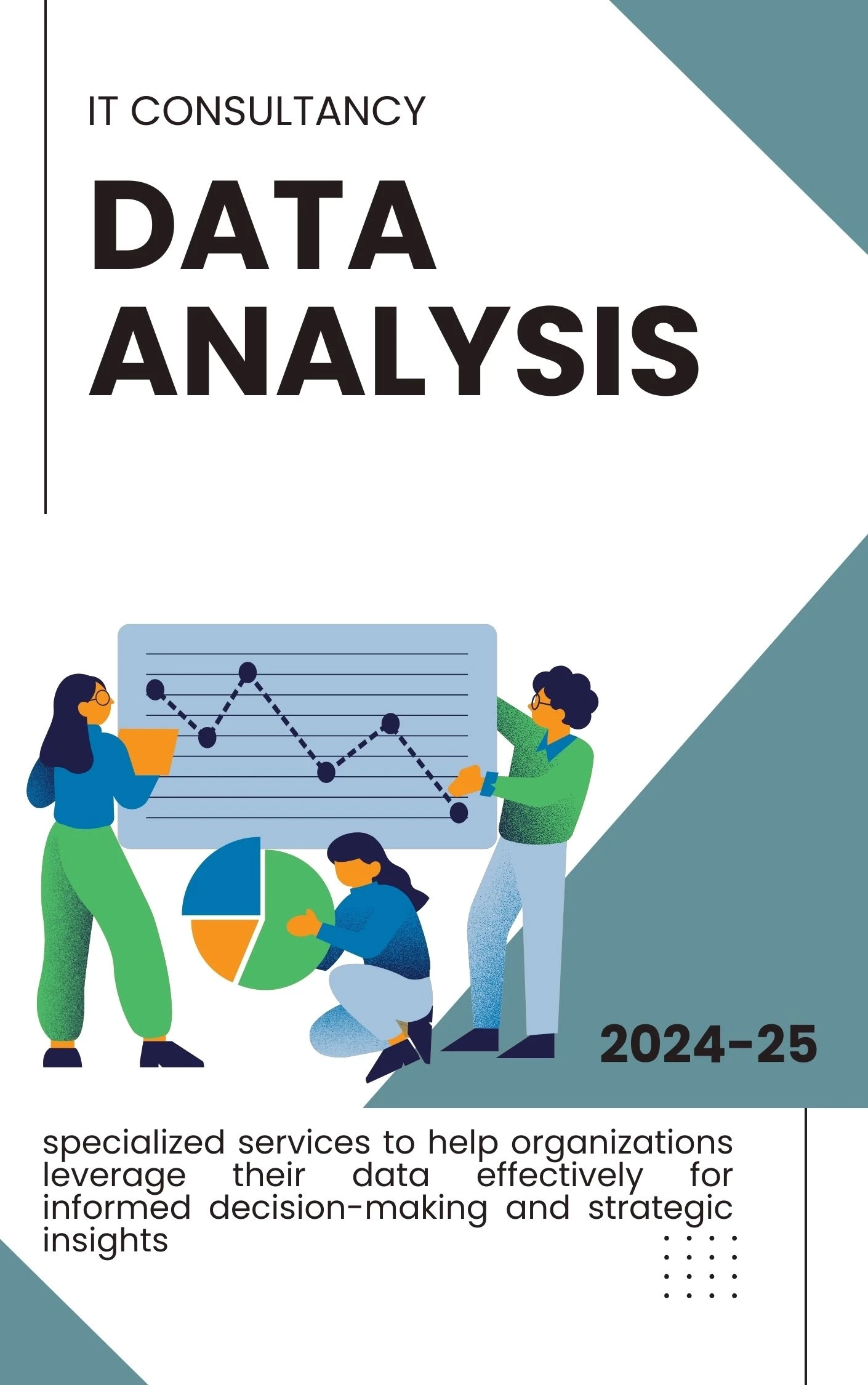
Data Analytics and Business Intelligence (BI) IT Consultancy (One Year)
Availability: In Stock
$ 0.00
Discovery and Assessment:
- Conducting initial consultations to understand the client’s business objectives, data landscape, and analytics requirements.
- Performing data assessments to evaluate the quality, completeness, and accessibility of existing data assets.
Solution Design:
- Collaborating with stakeholders to design customized data analytics and BI solutions that address specific business challenges and opportunities.
- Developing detailed project plans, including timelines, resources, and deliverables.
Implementation and Support:
- Managing the implementation of data analytics and BI solutions, ensuring they are deployed effectively and aligned with business goals.
- Providing ongoing support and maintenance to address issues, optimize performance, and ensure user satisfaction.
Continuous Improvement:
- Regularly reviewing and refining data analytics strategies and solutions based on feedback, emerging technologies, and evolving business needs.
- Staying updated with industry trends and best practices to offer innovative solutions and recommendations.
Example Engagements
Customer Analytics for a Retail Chain:
- Challenge: A retail chain wanted to better understand customer behavior and preferences to improve marketing and sales strategies.
- Solution: Implemented customer analytics solutions to analyze transaction data, segment customers, and personalize marketing campaigns.
- Outcome: Increased customer engagement, improved targeting, and higher sales conversion rates.
Supply Chain Optimization for a Manufacturing Company:
- Challenge: A manufacturing company aimed to optimize its supply chain operations and reduce costs.
- Solution: Implemented supply chain analytics solutions to forecast demand, optimize inventory levels, and improve supplier performance.
- Outcome: Reduced inventory holding costs, minimized stock outs, and improved supply chain efficiency.
Financial Fraud Detection for a Banking Institution:
- Challenge: A banking institution needed to detect and prevent financial fraud and money laundering activities.
- Solution: Developed advanced analytics models to identify suspicious transactions, patterns, and anomalies.
- Outcome: Reduced fraud losses, improved regulatory compliance, and enhanced customer trust.
Healthcare Analytics for a Hospital Network:
- Challenge: A hospital network sought to improve patient outcomes and operational efficiency through data-driven insights.
- Solution: Implemented healthcare analytics solutions to analyze patient data, optimize resource allocation, and identify areas for improvement.
- Outcome: Reduced readmission rates, improved treatment protocols, and enhanced operational performance.
Conclusion
BVTECH Data Analytics and Business Intelligence (BI) IT Consultancy is essential for organizations seeking to unlock the value of their data and drive informed decision-making. By offering strategic planning, data integration, analytics, BI implementation, governance, decision support, training, and support services, consultants help businesses leverage data as a strategic asset to gain competitive advantage, optimize operations, and achieve business goals. This ensures that organizations can thrive in today's data-driven business environment and adapt to evolving market dynamics effectively.
- New

Cybersecurity Technical IT Consultancy (One Year)
Availability: In Stock
$ 0.00
Cybersecurity For Financial Institution
Client Objective: Enhance security measures to protect sensitive financial data and ensure compliance with industry regulations.
Solution Provided
Security Assessment:
- Conducted a thorough vulnerability assessment of the institution's IT infrastructure.
- Identified critical vulnerabilities and potential entry points for cyber threats.
Risk Management:
- Developed a comprehensive risk management strategy to address identified vulnerabilities.
- Prioritized security measures based on risk levels and potential impact.
Security Architecture Design:
- Designed a multi-layered security architecture incorporating firewalls, intrusion detection systems (IDS), and encryption.
- Implemented a secure network segmentation to protect sensitive financial data.
Compliance Services:
- Ensured compliance with financial regulations such as PCI-DSS and GDPR.
- Developed and implemented security policies and procedures.
Employee Training:
- Conducted regular cybersecurity training sessions for employees to raise awareness about phishing attacks and social engineering.
Outcome:
- Significantly reduced the risk of data breaches.
- Achieved full compliance with industry regulations.
- Improved overall security posture and employee awareness.
Cybersecurity For Healthcare Provider
Client Objective: Protect patient data and ensure HIPAA compliance while enhancing the security of the healthcare IT infrastructure.
Solution Provided
Security Assessment:
- Performed a comprehensive security assessment of the healthcare provider's IT systems.
- Identified gaps in the existing security measures and potential compliance issues.
HIPAA Compliance:
- Developed and implemented policies and procedures to ensure HIPAA compliance.
- Conducted regular audits to verify adherence to HIPAA regulations.
Security Architecture Design:
- Designed a secure IT architecture with strong access controls and encryption to protect patient data.
- Implemented secure communication channels for telemedicine services.
Incident Response Plan:
- Developed an incident response plan to address potential security breaches and ensure quick recovery.
- Conducted regular drills to test the effectiveness of the incident response plan.
Employee Training:
- Provided cybersecurity training for healthcare providers and administrative staff.
- Implemented phishing simulations to improve employee response to potential attacks.
Outcome:
- Enhanced protection of patient data.
- Achieved and maintained HIPAA compliance.
- Improved incident response readiness and overall security awareness among staff.
Cybersecurity For E-Commerce Business
Client Objective: Secure online transactions and protect customer data to build trust and ensure a safe shopping experience.
Solution Provided
Security Assessment:
- Conducted a vulnerability assessment of the e-commerce platform and IT infrastructure.
- Identified potential security risks and vulnerabilities.
Secure Payment Processing:
- Implemented secure payment gateways and encryption to protect customer payment information.
- Ensured compliance with PCI-DSS standards.
Application Security:
- Conducted code reviews and security testing to identify and fix vulnerabilities in the e-commerce application.
- Implemented web application firewalls (WAF) to protect against common threats like SQL injection and cross-site scripting (XSS).
Continuous Monitoring:
- Set up continuous monitoring and threat detection systems to identify and respond to security incidents in real-time.
- Leveraged threat intelligence to stay ahead of emerging cyber threats.
Customer Education:
- Developed educational materials to inform customers about safe online shopping practices.
- Implemented multi-factor authentication (MFA) to enhance account security.
Outcome:
- Enhanced the security of online transactions and customer data.
- Reduced the risk of data breaches and fraud.
- Built trust with customers, leading to increased sales and customer loyalty.
Cybersecurity For Manufacturing Company
Client Objective: Protect intellectual property and secure the industrial control systems (ICS) against cyber threats.
Solution Provided
Security Assessment:
- Performed a comprehensive assessment of the manufacturing company's IT and ICS environments.
- Identified vulnerabilities and risks specific to industrial control systems.
Risk Management:
- Developed a risk management strategy to prioritize and mitigate identified risks.
- Implemented network segmentation to isolate ICS from the corporate IT network.
Security Architecture Design:
- Designed a robust security architecture for ICS, including firewalls, IDS, and secure remote access solutions.
- Implemented encryption and access controls to protect intellectual property.
Incident Response:
- Developed and implemented an incident response plan tailored to the unique requirements of the manufacturing environment.
- Conducted regular incident response drills to ensure preparedness.
Employee Training:
- Provided specialized cybersecurity training for employees working with ICS.
- Conducted awareness programs to educate staff about the importance of cybersecurity.
Outcome:
- Enhanced protection of intellectual property and critical manufacturing processes.
- Reduced the risk of cyber-attacks targeting ICS.
- Improved overall cybersecurity awareness and readiness among employees.
- New

Retail Chain Digital Transformation Planning (One Year IT Consultancy)
Availability: In Stock
$ 0.00
Client Objective: Enhance customer experience and increase sales through digital transformation.
Digital Transformation Roadmap
Discovery Phase (Month 1-2)
- Customer Journey Mapping: Map out the current customer journey to identify pain points and opportunities for improvement.
- Technology Audit: Assess existing technology infrastructure, including POS systems, CRM, and e-commerce platforms.
- Stakeholder Engagement: Conduct interviews with store managers, sales staff, and customers.
Strategy Development Phase (Month 3-4)
- Digital Transformation Strategy: Develop a strategy focused on enhancing the omnichannel customer experience, personalized marketing, and data-driven decision-making.
- Technology Selection: Select technologies such as a unified CRM system, AI-driven personalized marketing tools, and an updated e-commerce platform.
- Roadmap Creation: Create a detailed roadmap with specific timelines, milestones, and resource requirements.
Pilot Phase (Month 5-8)
- Pilot Implementation: Launch a pilot program in select stores to test new CRM and personalized marketing tools.
- Customer Feedback: Collect feedback from customers and staff to refine the approach.
- Data Analysis: Analyze sales and customer engagement data to measure the impact of the pilot.
Full-Scale Implementation Phase (Month 9-18)
- Technology Deployment: Roll out the new CRM, personalized marketing tools, and updated e-commerce platform across all stores and online channels.
- System Integration: Ensure integration of new systems with existing POS and inventory management systems.
- Training Programs: Conduct training for store staff and marketing teams on using new tools and systems.
Optimization Phase (Month 19-24)
- Performance Monitoring: Use analytics to track customer engagement, sales performance, and operational efficiency.
- Continuous Improvement: Implement continuous improvement processes based on data insights and customer feedback.
- Expansion: Expand successful digital initiatives to additional areas, such as mobile apps and in-store kiosks.
- New
Property Listing Platform Basic
Availability: In Stock
$ 0.00
A property listing platform is a digital solution designed to simplify property discovery, management, and transactions for buyers, sellers, and real estate professionals. These platforms cater to individuals, agencies, and enterprises in the real estate sector.
- New

Cloud Computing Technical IT Consultancy (One Year)
Availability: In Stock
$ 0.00
E-Commerce Business
Client Objective: Improve website performance and scalability to handle peak traffic during sales events.
Solution Provided
Assessment:
- Conducted a thorough analysis of the existing on-premises infrastructure.
- Identified bottlenecks and areas that required improvement.
Strategy Development:
- Developed a cloud migration strategy to transition the e-commerce platform to AWS.
- Created a roadmap with milestones for a phased migration to minimize downtime.
Cloud Architecture Design:
- Designed a scalable architecture using AWS services such as EC2, S3, and RDS.
- Implemented auto-scaling to handle traffic spikes efficiently.
Migration and Implementation:
- Migrated the e-commerce website and database to AWS with zero downtime.
- Implemented Cloud Front CDN to improve website load times globally.
Optimization and Support:
- Continuously monitored the cloud environment for performance and cost optimization.
- Provided 24/7 support to ensure smooth operations during peak traffic periods.
Outcome:
- The e-commerce website experienced a 40% improvement in load times.
- Successfully handled a 300% increase in traffic during sales events without any performance issues.
Financial Services Company
Client Objective: Enhance data security and compliance while moving to a cloud-based infrastructure.
Solution Provided
Assessment:
- Reviewed current IT infrastructure and data management practices.
- Identified critical data and compliance requirements (e.g., GDPR, PCI-DSS).
Strategy Development:
- Developed a cloud adoption strategy focused on security and compliance.
- Selected Microsoft Azure as the cloud platform for its robust security features.
Cloud Architecture Design:
- Designed a secure architecture using Azure services like Virtual Networks, Key Vault, and Security Center.
- Implemented encryption at rest and in transit for sensitive data.
Migration and Implementation:
- Migrated financial applications and data to Azure with minimal disruption.
- Set up advanced threat protection and monitoring tools to detect and respond to security threats.
Compliance and Governance:
- Ensured all data handling processes adhered to regulatory requirements.
- Conducted regular audits and compliance checks.
Outcome:
- Achieved a highly secure cloud environment that met all regulatory requirements.
- Improved data protection and reduced the risk of data breaches.
Healthcare Provider
Client Objective: Implement a telemedicine platform to provide remote healthcare services.
Solution Provided
Assessment:
- Evaluated current IT systems and identified requirements for a telemedicine solution.
- Assessed the need for secure data handling and patient privacy (HIPAA compliance).
Strategy Development:
- Developed a strategy to deploy a telemedicine platform using Google Cloud.
- Created a detailed implementation plan with timelines and milestones.
Cloud Architecture Design:
- Designed a secure, HIPAA-compliant architecture using Google Cloud services like Compute Engine, Cloud Healthcare API, and Firestore.
- Integrated video conferencing and secure data storage solutions.
Implementation:
- Deployed the telemedicine platform with features like video consultations, electronic health records (EHR), and appointment scheduling.
- Ensured seamless integration with existing hospital information systems.
Training and Support:
- Provided comprehensive training for healthcare providers on using the telemedicine platform.
- Offered ongoing support to troubleshoot issues and optimize the platform.
Outcome:
- Successfully launched a telemedicine service that enabled remote consultations and improved patient access to healthcare.
- Increased patient satisfaction and expanded the provider's reach to remote areas.
Educational Institution
Client Objective: Modernize IT infrastructure to support remote learning and collaboration.
Solution Provided
Assessment:
- Conducted a thorough assessment of existing IT infrastructure and remote learning needs.
- Identified critical areas for improvement, including virtual classrooms and collaboration tools.
Strategy Development:
- Developed a cloud adoption strategy focused on scalability and remote accessibility.
- Selected a combination of AWS and Google Workspace to meet the institution's needs.
Cloud Architecture Design:
- Designed a hybrid cloud architecture to support both on-campus and remote learning.
- Implemented services such as AWS WorkSpaces, Google Classroom, and Google Drive for Education.
Migration and Implementation:
- Migrated educational resources, administrative systems, and collaboration tools to the cloud.
- Set up virtual classrooms, video conferencing, and secure data storage.
Optimization and Training:
- Optimized cloud resources for cost-efficiency and performance.
- Provided training sessions for teachers, staff, and students on using new tools and platforms.
Outcome:
- Enabled seamless remote learning and collaboration, enhancing the educational experience.
- Improved IT infrastructure scalability, allowing for quick adaptation to changing needs.
- New
Natural Language Processing (NLP) for Hindi Language (One Year Consultancy)
Availability: In Stock
$ 0.00
BV NLP AI that helps apps and software process natural language text. NLP techniques can perform tasks like part-of-speech tagging, parsing.
- New

